










To mark the 100th anniversary of LRT RADIO, we revisit some of the most colourful moments in the broadcaster’s century-long story.
Lithuanian radio history began on June 12, 1926. “Hello, hello – Lithuanian Radio – Kaunas,” were the first words broadcast on air. At the time, there were only 323 radio receivers in the country.
The radio studio in Kaunas was soon flooded with postcards carrying greetings and well-wishes from its small audience. At the same time, rumours spread that the new invention disrupted the natural order and even caused storms, with radio waves being blamed for changes in the weather.
The arrival of television
At 19:45 on April 30, 1957, Lithuanian Television began broadcasting.
“Attention, attention, this is Vilnius speaking and showing. We are beginning the trial programme of the Vilnius Television Studio,” announced the first transmission, marking the start of the television era in Lithuania.
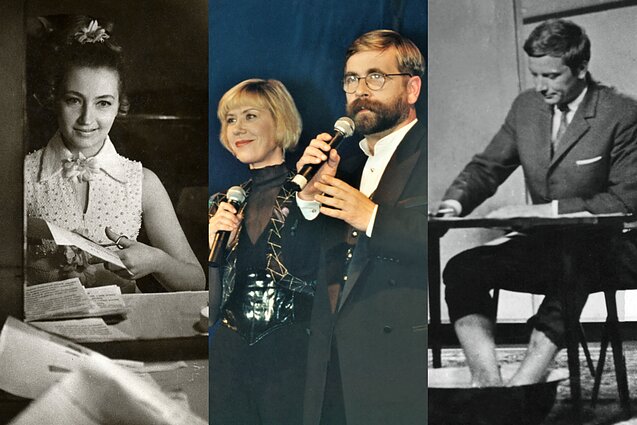
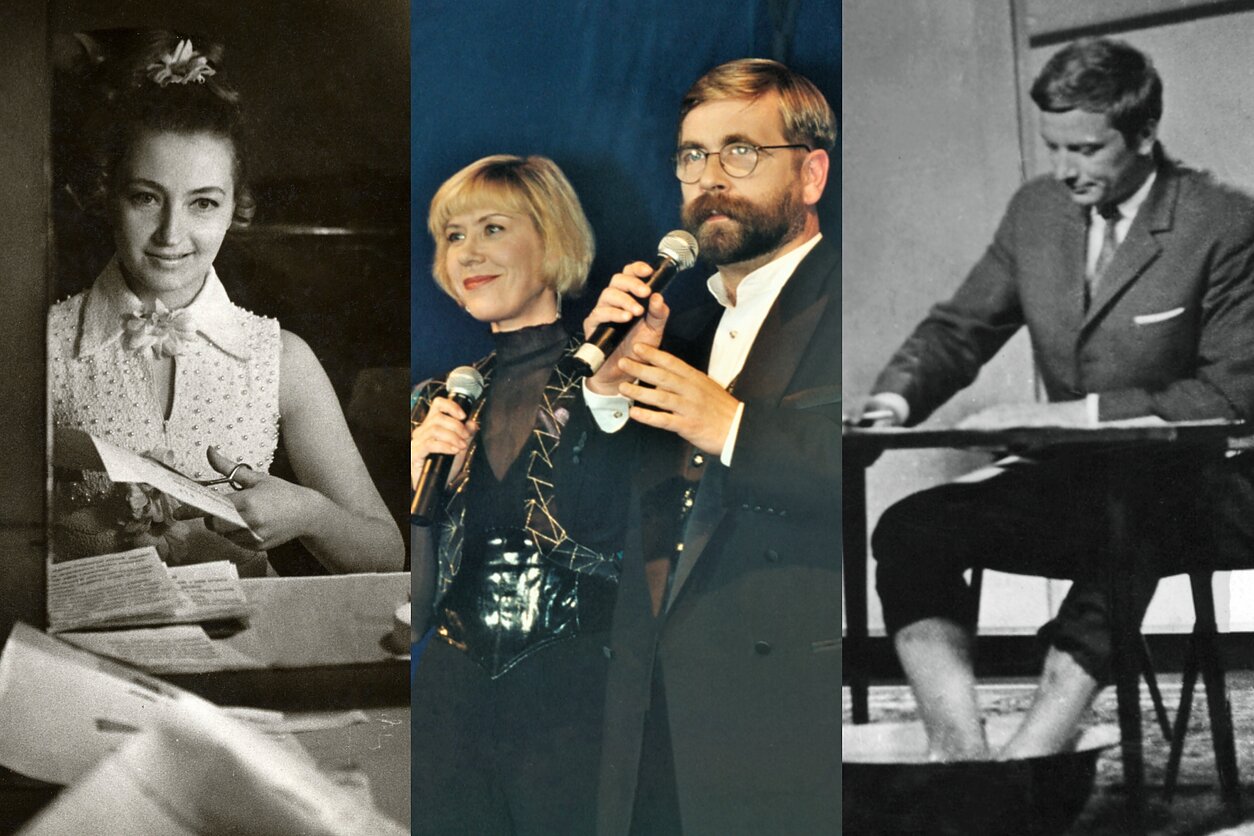
The first announcers were Gražina Bigelytė and Juozas Baranauskas, who became broadcasting legends and some of the best-known public figures of their time.
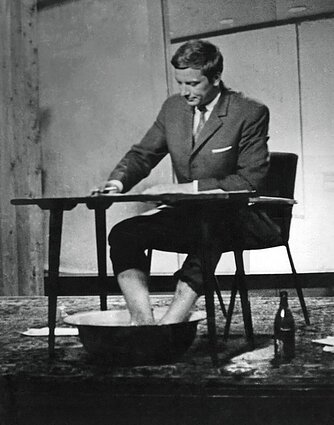
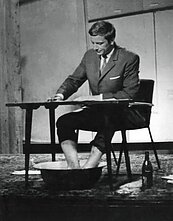
The LRT archives preserve a famous photograph showing Baranauskas presenting a programme with his feet immersed in a basin of water. The heat from the studio lights made working conditions unbearable, and he used water to cool off.
“It was June 1961, when US President John F Kennedy met Nikita Khrushchev in Vienna. There was no air conditioning. So I dressed appropriately, but put my feet in cold water. Viewers would not have wanted to watch a presenter dripping with sweat,” Baranauskas later recalled.
Programmes that stood the test of time
On September 28, 1957, the programme Nature, Hunting and Fishing (Gamta, Medžioklė, Žūklė) was broadcast on the radio for the first time. It was later renamed Nature – Everyone’s Home (Gamta – Visų Namai) and remains on air today.
On October 21, 1962, a programme dedicated to rural life was launched. It later evolved into Native Land (Gimtoji Žemė), which is still broadcast today. Its presenters continue to cover issues affecting rural communities and travel across Lithuania to meet contributors.
On December 25, 1965, the live television serial The Petraitis Family (Petraičių Šeima) premiered. It became so popular that streets would empty, and trolleybuses ran almost without passengers during broadcasts. The series was created by the legendary director Galina Dauguvietytė.
Familiar faces and household names
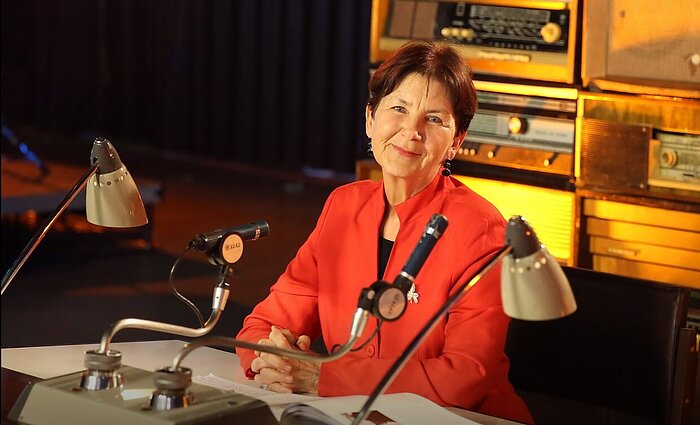
In 1969, Bernadeta Lukošiūtė joined Lithuanian Radio and Television. Better known as Aunt Beta (Teta Beta), she became a beloved figure through children’s programmes such as Good Night, Children (Labanakt, Vaikučiai) from 1975 onward.
The country’s longest-running television news programme, Panorama, first aired on January 6, 1970.
In March 1973, the premiere of the legendary four-part television film Tadas Blinda took place.
On February 10, 1974, the children’s music competition Dainų Dainelė was launched.
On January 27, 1977, the first live colour programme, TV Forum (TV Forumas), was broadcast from the studio.
The years of change
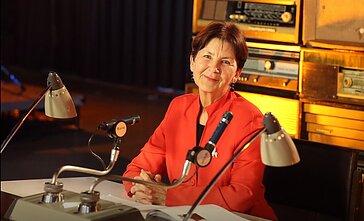
In 1986, long-serving presenter Eglė Bučelytė began working at LRT. She initially worked in Lithuanian Radio’s programme department before becoming an editor and presenter. She hosted the Evening News and has spent the longest part of her career with Panorama.
At 08:00 on November 30, 1987, Lithuanian Television broadcast the first 20-minute edition of its morning show, Labas Rytas. Over the years, the programme has become a daily companion for viewers, with more than 40 journalists occupying the presenter’s chair.
In 1990, the children’s and family programme Tele Bim-Bam was launched. Its creator and driving force was Neringa Čereškevičienė.
On January 13, 1991, the Radio and Television building was occupied by the Soviets.
On March 24, 1993, the popular television drama Relatives (Giminės) premiered.
“When we read that Giminės was outperforming Santa Barbara, we were very surprised,” director Saulius Vosylius, who worked on the first television series produced after Lithuania restored independence, later told LRT.lt.
Eurovision, awards and new channels
Lithuania made its Eurovision Song Contest debut in 1994. Since then, 26 performers have represented the country.
The first LRT Golden Bee (Auksinės Bites) awards were also presented in 1994.
That same year saw the launch of the television programme Style (Stilius).
On 16 November 1997, journalist Algimantas Čekuolis returned to Lithuanian Television with his show that ran until 2016, when he turned 85. Čekuolis was recognised as the world’s longest-serving television presenter. He died in April 2025.
In 1998, the morning radio programme Ryto Garsai began broadcasting.
The history of LRT KLASIKA started on May 11, 1998, while the channel in its current form was established on September 29, 2003.
In October 1999, Gustavo Enciklopedija first appeared on air. The programme was created and directed by Audrius Rakauskas.
LRT enters the digital age
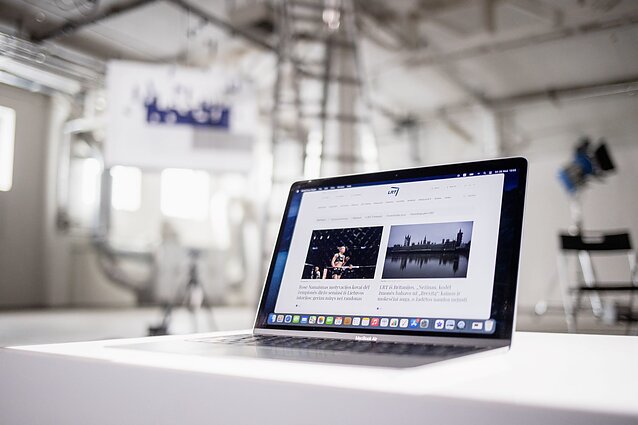
On July 10, 2000, LRT launched its website, LRT.lt, which became a news website in 2006. The current version of the site was introduced on March 4, 2019.
In 2001, the last announcer positions were abolished, with the profession effectively disappearing.
Announcers had been a uniquely rare profession in Lithuania: in total, there were only around 40 radio announcers and about 12 television announcers. They received no formal training, but after passing highly competitive selection processes, they became high-profile public figures.
On September 1, 2006, LRT OPUS was launched. The station was founded by Eurovision commentator, music competition judge and broadcaster Darius Užkuraitis.
In 2019, the first LRT Annual Awards were presented, recognising outstanding individuals, organisations, initiatives and leaders in business, science and innovation.
In 2023, LRT introduced LRT EPIKA, a free platform for films and television series. The service offers legal, easily accessible content in a single location for audiences seeking free on-demand viewing.

Newsletter
Every Friday morning.